
The Healing Presence of Animals in Rehabilitation
April 29, 2026
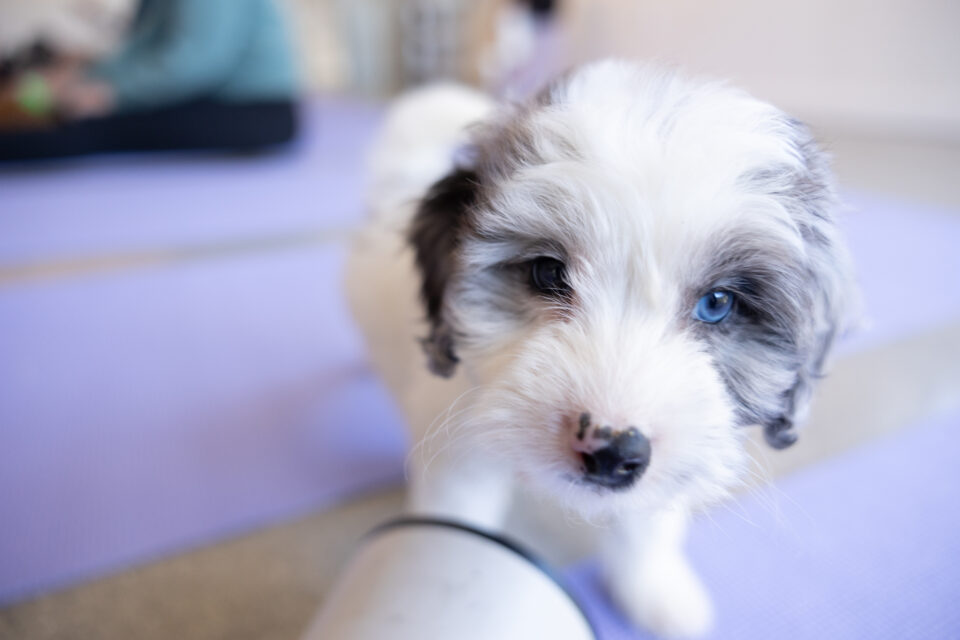
Rehabilitation is often measured through strength, mobility, and function. But meaningful progress is rarely only physical. The role of animals in rehabilitation reminds us that healing can also be emotional, mental, and deeply relational.
At Private Care Therapies, we see this every day. When care supports the whole person, outcomes can feel more meaningful. Clients are not just working toward movement. They are rebuilding confidence, trust, and connection with their bodies.
Why Connection Matters in Rehabilitation
Animals have a unique way of softening the care environment. Their presence can bring calm, ease, and warmth into spaces that may otherwise feel clinical or stressful.
When a client feels more relaxed, therapy can feel more approachable. Breathing may deepen. Movement may feel less guarded. Participation may become easier. What once felt intimidating can begin to feel more natural.
That shift matters.
Rehabilitation asks people to try, practice, and sometimes move through discomfort or uncertainty. A sense of connection can make that process feel less isolating.
The Emotional Side of Healing
There is something powerful about the simplicity of an animal’s presence. Animals do not ask for perfection. They do not rush progress. They simply invite people into the moment.
For some clients, that presence can create a sense of safety. For others, it can bring joy, laughter, or motivation. These emotional experiences are not separate from therapy. They can support the way a person engages with care.
When someone feels calmer and more connected, they may be more willing to participate. They may feel more hopeful. They may begin to trust their body again.
This is one reason animals in rehabilitation can be such a meaningful part of a whole-person approach.
Rehabilitation Is More Than Exercise
At Private Care Therapies, we believe rehabilitation should honor the full human experience. Strength, balance, and mobility are important. So are confidence, comfort, emotional wellbeing, and a sense of independence.
We have seen how connection can change the direction of care. Clients who once felt limited may begin to rediscover possibility when they feel supported in a personal way.
That support can come from a therapist. It can come from family. It can come from a meaningful environment. And sometimes, it can come from the quiet, grounding presence of an animal.
This kind of relationship-centered care is central to how PCT works.
Joy Can Support Progress
Rehabilitation can be demanding. Progress is not always linear. Some days feel encouraging. Other days feel frustrating.
That is why moments of lightness matter.
Animals can bring play, humor, and joy into the process. They can help clients reconnect with parts of themselves that may feel distant during recovery. A smile, a laugh, or a moment of ease can make the work feel less heavy.
Joy does not make therapy less serious. It can make therapy more sustainable.
When people enjoy the process, they may be more consistent. And consistency is one of the foundations of meaningful progress.
A Personal Reflection from Dr. Melissa Foley
This understanding also extends to how we care for our team.
This past April, I had the opportunity to take my employees on a yoga with puppies retreat. We practiced yoga, moved through different positions, and spent time reconnecting with one another while surrounded by a group of Bernedoodles.
There was laughter. There was ease. There was also a shared awareness of posture, movement, and presence as we guided each other through the experience.
It created space to slow down, reconnect, and simply be present.
My favorite part was the silliness we were able to return to. There was something grounding about laughing freely and being ourselves in a warm, welcoming environment. I found myself taking candid photos, sharing genuine moments, and feeling reminded of something important.
As caregivers, we also need care.
That balance matters.
Caring for the Care Team
When we support our own emotional health and wellbeing, it directly shapes the care we provide. It allows us to show up with more patience, attention, and compassion.
Therapists do deeply personal work. We listen. We guide. We encourage. We adapt. We help clients move through moments that may feel vulnerable or uncertain.
When therapists feel grounded and connected, they bring a different level of presence into each session. They can listen more closely. They can respond more thoughtfully. They can create an environment where healing feels safe and possible.
The experience with the puppies was a reminder of that. Care is not only something we give. It is something we also need to receive.
Animals in Rehabilitation and Whole-Person Care
Rehabilitation is not one-dimensional. It is physical, mental, emotional, and social.
The whole body needs support. So does the whole person.
At Private Care Therapies, our work is built on connection. That may be the connection between therapist and client. It may be the connection between movement and confidence. It may be the connection between emotional wellbeing and physical progress.
Animals are one expression of this philosophy. They remind us that healing is not only about restoring function. It is also about restoring ease, trust, joy, and connection to the world around us.
A More Personal Approach to Rehabilitation
If you or someone you love is looking for a more personalized, relationship-centered approach to rehabilitation, Private Care Therapies is here to help.
Our team provides thoughtful, one-on-one care designed around each client’s needs, goals, and environment. Whether care takes place at home, in a gym, through telehealth, or in another preferred setting, we focus on helping clients feel supported every step of the way.
To learn more about our personalized rehabilitation services, contact Private Care Therapies or explore our services.